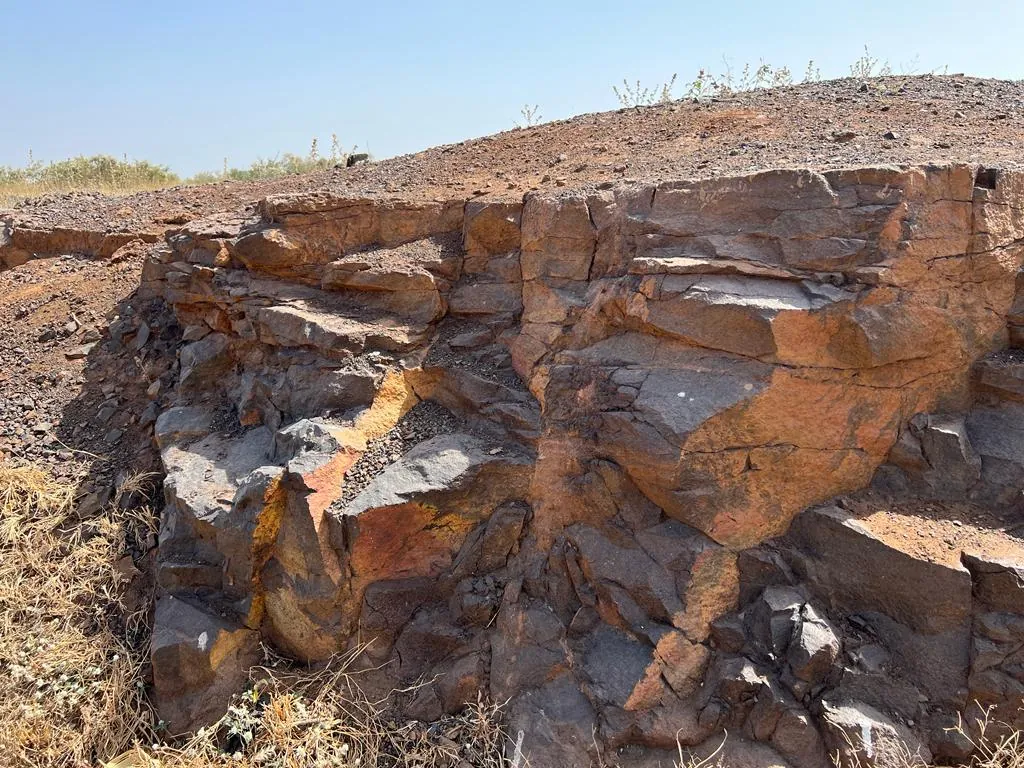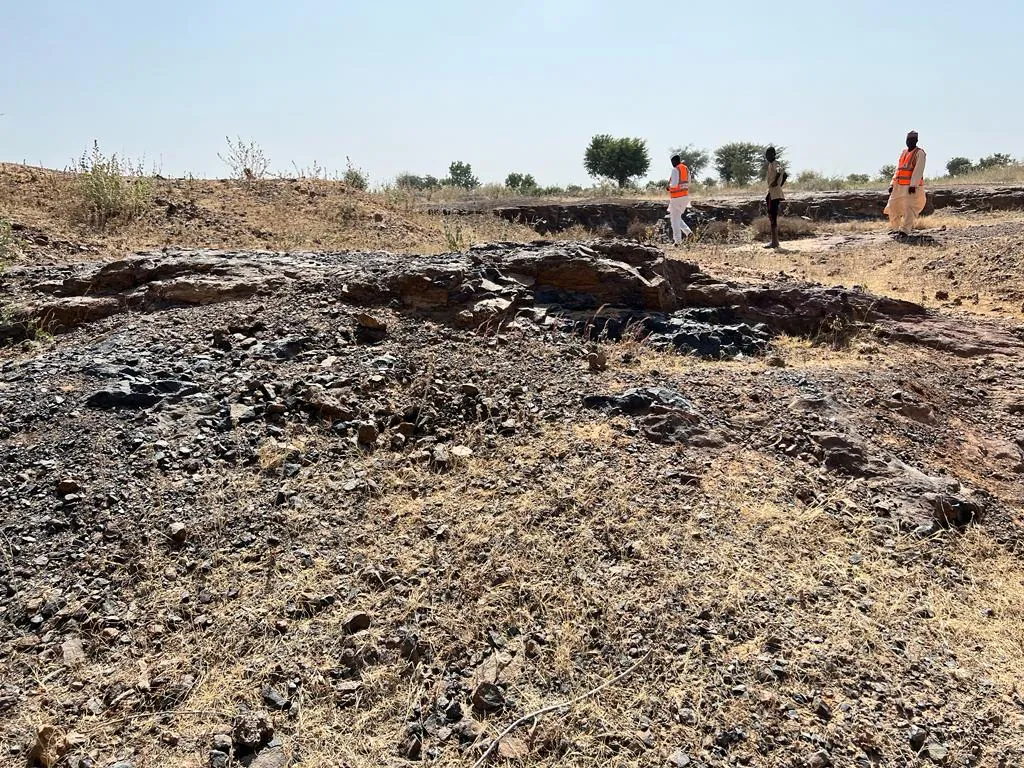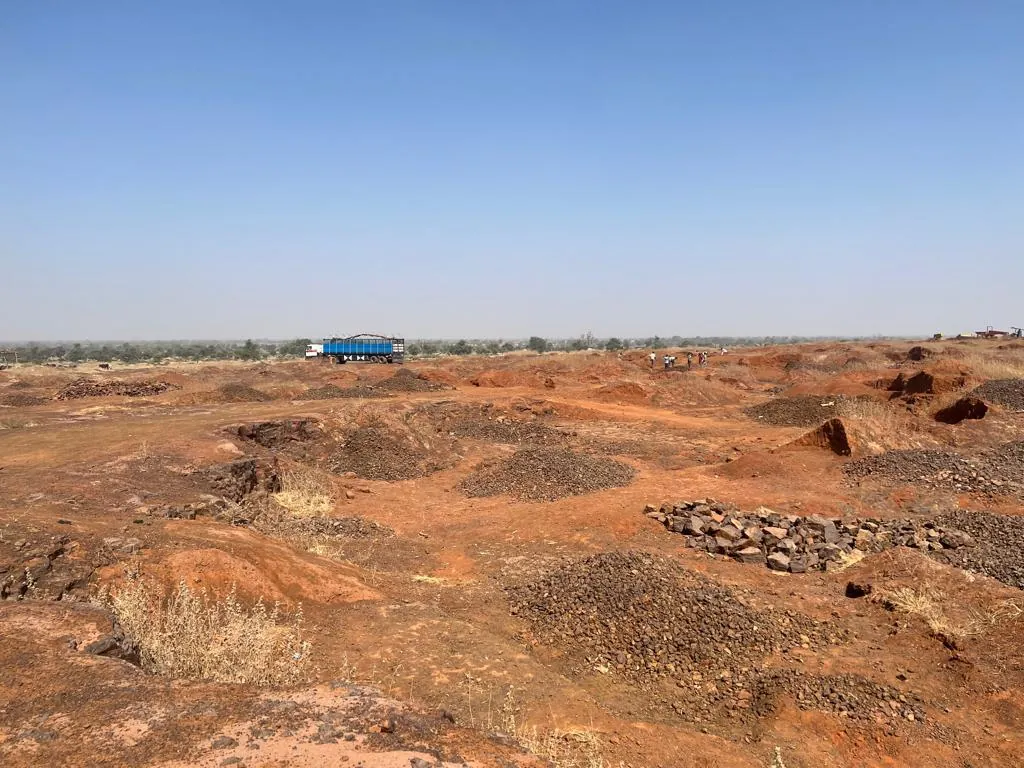
In Nigeria, mineral titles are granted at different levels. Two of the most important for a company like AMEA are the Exploration Licence and the Mining Lease. AMEA currently holds both: two Mining Leases and four Exploration Licences.
Exploration Licence
An Exploration Licence allows a company to explore an area: to map it, sample it, trench and drill it, and evaluate what minerals it contains. It does not permit full-scale mining, and holding one does not by itself confirm that a deposit can be mined commercially.
Mining Lease
A Mining Lease is the highest level of mining authorisation in Nigeria. It grants the holder the right to full-scale mining operations, including extraction, processing and commercial sale. Mining Leases are issued for an initial period of 25 years, with the option to renew.
Converting Exploration Licences into Mining Leases is the next step in AMEA’s development.
AMEA’s titles today
- Mining Leases: AUNAI (gold and lithium, 17.4 km²) and Shiroro (gold, 26.2 km²)
- Exploration Licences: Ngaski/Magama (gold), Mashegu, Dambam and Suru (spodumene and iron ore)
Together the six titles cover 626 cadastral units, about 125.2 km². The full table, with licence numbers, is on our Assets and licences page.
What conversion involves
Moving from exploration to a Mining Lease follows the work described in our exploration-to-market process: survey and mapping, exploration, resource estimation and feasibility, then the licence application. AMEA’s technical programme is led by formally appointed consultant geologists, who also liaise with regulators on compliance with Nigerian mining law.